
- Search
 Lot I-10-7, D7 Street, Saigon Hi-Tech Park, Tang Nhon Phu Ward, Thu Duc City, HCMC
 (+84) 28 7301 3688
 Info@wembleymed.com.vn
Author: Nguyen Thi Thanh Thuy, MD, PhD
As society advances and scientific breakthroughs occur at a rapid pace, we have become more health-conscious and have access to better medical care. The term "laboratory testing" has become a routine part of health check-ups, diagnostics, and treatment.c
Testing typically begins with blood collection-commonly known as "drawing blood." This is often the moment patients dread most due to the "needle prick," sometimes leading them to look away or close their eyes to avoid the sight of blood.
So, what exactly is a vacuum blood collection system? How does it benefit us, and why was it developed?
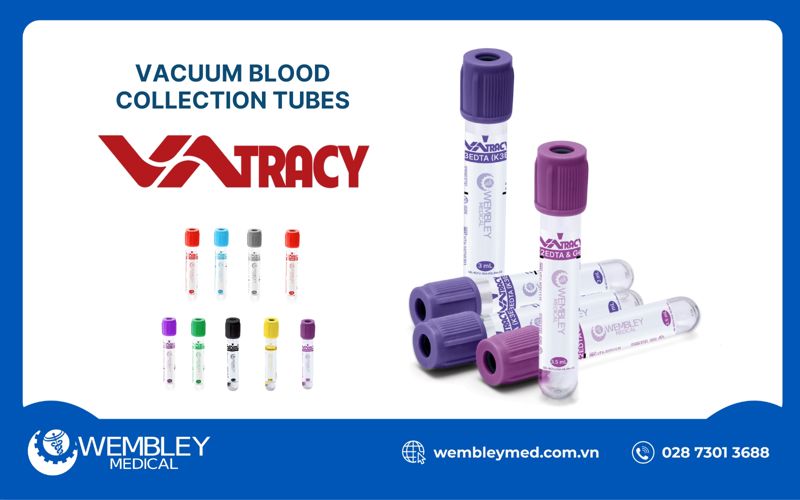
Vacuum blood collection is a modern technique representing a significant scientific advancement in laboratory medicine. When experiencing this system, many patients-from the elderly to the young-are often surprised, exclaiming: "That was so fast! I didn't even see any blood! Is it done already?" The fear of the "sting" is significantly diminished.
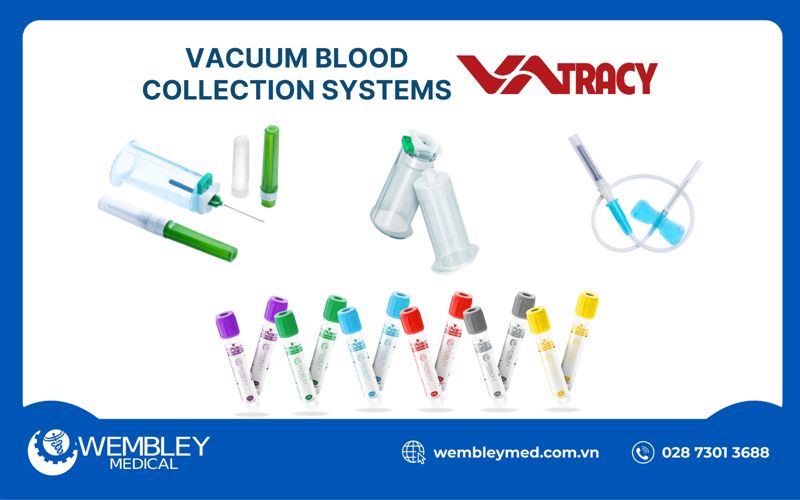
This is a closed system consisting of three main components: a sterile vacuum blood collection tube, a specialized needle, and a needle holder. The tubes are pre-evacuated to create a specific internal negative pressure (vacuum). When one end of the needle is inserted into the vein and the other pierces the tube's stopper, blood is drawn directly into the tube by the vacuum pressure, eliminating the need for a traditional syringe.
These collection tubes are color-coded by their caps. This color-coding follows international standards, helping to distinguish between different types of tubes containing various additives. This facilitates the selection of the appropriate tube for specific types of laboratory tests.
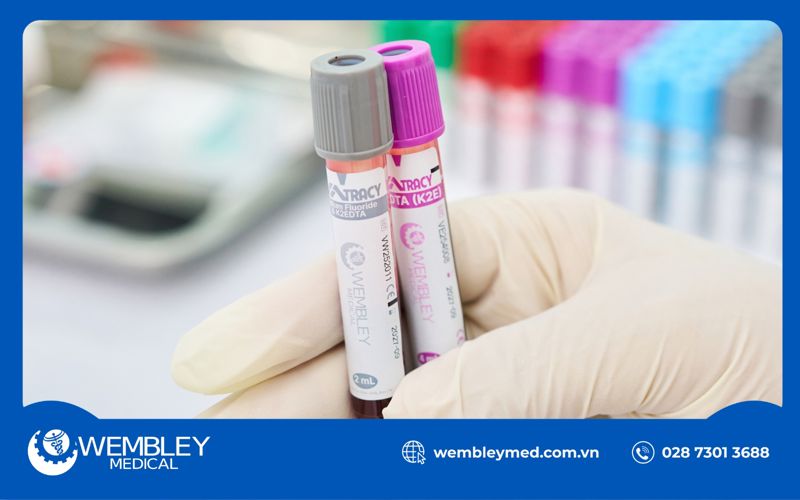
This system is compatible with all types of laboratory tests and offers numerous outstanding advantages. It ensures patient safety by preventing blood spills or contamination (as blood samples may carry dangerous pathogens, bacteria, or viruses). The vacuum system also ensures safety for healthcare workers during collection and transport, reducing cross-contamination and the risk of needlestick injuries. It is efficient and ensures high-quality blood samples-the initial and prerequisite step for accurate results.
The system features specialized needles with a double-ended metal structure: one end enters the vein, while the other is covered by a rubber sleeve to pierce the vacuum blood collection tube cap. This maintains a seal where the needle penetrates and automatically transfers blood directly from the vein into the tube via vacuum pressure. Blood flows in automatically and stops once the required volume is reached. This is a major advantage when a panel of different tests is required; multiple tubes can be filled sequentially with a single venipuncture, avoiding the need for multiple pricks or manual aliquoting (splitting samples) as seen in older methods.
Note that these needles have absolute sterile caps, which are only opened just before insertion. During collection, the needle is attached to a holder, which may be designed to release the needle into a sharps container via a push-button after use.
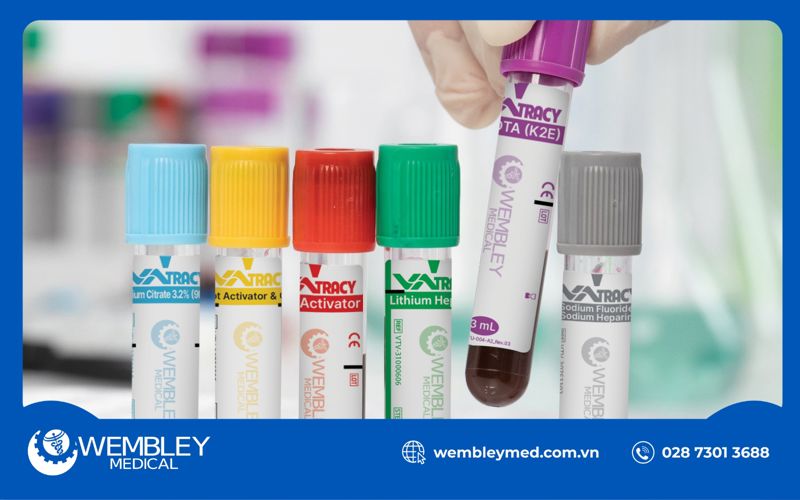
Manufacturing a vacuum blood collection system requires strict adherence to international technical standards, often European standards (CE), using high-grade materials to replace simple syringe-and-needle tools. Beyond their specialized structure, vacuum needles are made from high-quality alloys and are exceptionally sharp to minimize pain during insertion.

The vacuum blood collection tube cap consists of two layers: an outer hard plastic shell color-coded according to international conventions, which also protects the internal rubber stopper. The rubber stopper has high elasticity and adheres firmly to the tube wall to prevent leakage and accidental dislodgement during transport, especially in automated pneumatic tube systems. While the stopper fits tightly to maintain the internal vacuum, it is designed to be easily removed during laboratory processing.
The vacuum blood collection tube body is made of transparent PET plastic, allowing for easy observation of the specimen level, and possesses high gas-barrier properties. Labels are neatly and clearly applied to the exterior, with visible graduation marks corresponding to the volume automatically drawn by the vacuum pressure. This pressure is calibrated to be strong enough for rapid collection but gentle enough to prevent hemolysis (rupture of red blood cells).
The tubes contain various additives depending on the type. For serum tests, the tubes contain clot activators to help blood clot faster and more effectively, shortening turnaround time. For tests requiring anticoagulants (to prevent clotting), the tubes contain specific agents that mix immediately with the blood as it enters, ensuring the correct blood-to-additive ratio.
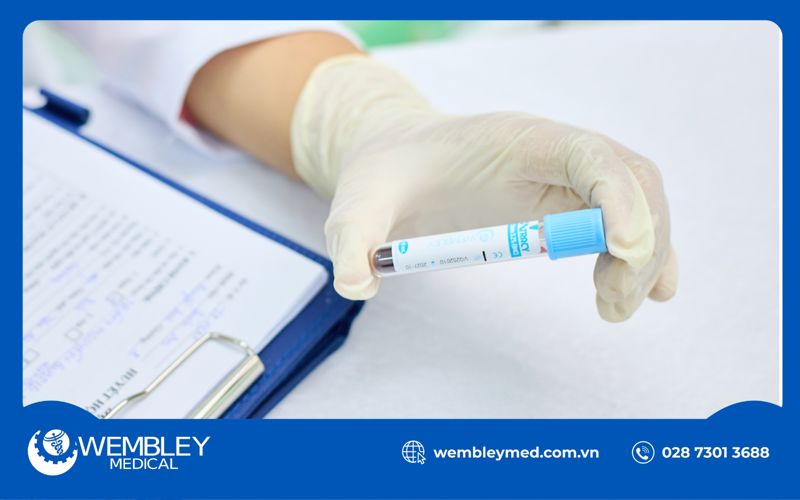
All structural components of the vacuum collection system ensure a closed, continuous flow from the vein to the tube. Most importantly, it ensures safety for both patients and healthcare staff, providing optimal specimens for testing. This leads to accurate and reliable results-a mandatory requirement for health check-ups and clinical treatment.
Through this, we see the high technical requirements of vacuum collection systems, meeting European quality standards (CE certified). The production line is strictly controlled-from needles, tubes, caps, and holders to internal additives and labeling. This system is widely used globally and is an inevitable trend to replace syringe-based collection, helping patients and staff access scientific progress in diagnostics.
CHEAP VACUUM BLOOD COLLECTION TUBES: SAVINGS TODAY
STANDARDIZED VACUUM BLOOD COLLECTION TUBES: AVOIDING RISKS TOMORROW, SUSTAINABLE PEACE OF MIND
Cheap vacuum blood collection tubes may save initial costs but carry potential risks to sample quality and diagnostic accuracy. Meanwhile, standardized vacuum blood collection tubes help ensure safety, professional reliability, and minimize unforeseen risks. Investing in quality today is the way to achieve sustainable savings for the future.
Vacuum blood collection systems contribute to the standardization of sampling procedures, aligning with global trends. Implementing this system ensures consistency, accuracy, and safety, creating a foundation for the interconnectivity of test results between healthcare facilities.
This is also a practical solution supporting the "Project to Improve Laboratory Quality Management 2016 - 2025," aimed at standardizing results for mutual recognition between hospitals according to Decision 316/QD-TTg. This contributes to shorter turnaround times and improved patient care efficiency.
WEMBLEY MEDICAL is committed to helping realize the goal of national laboratory interconnectivity with international standard products. We pledge to partner with laboratories nationwide to fulfill government objectives and enhance the quality of public healthcare.